Vegetables to Plant Before the Final Spring Freeze
A spring freeze can catch a garden just as seedlings are getting established, but waiting for warm weather to settle can also mean missing useful cool-season growing time. The practical approach is to match each vegetable to its cold tolerance, choose a planting method that fits the conditions, and use local forecasts and garden-bed observations to decide when to proceed.
What planting before the final spring freeze really means
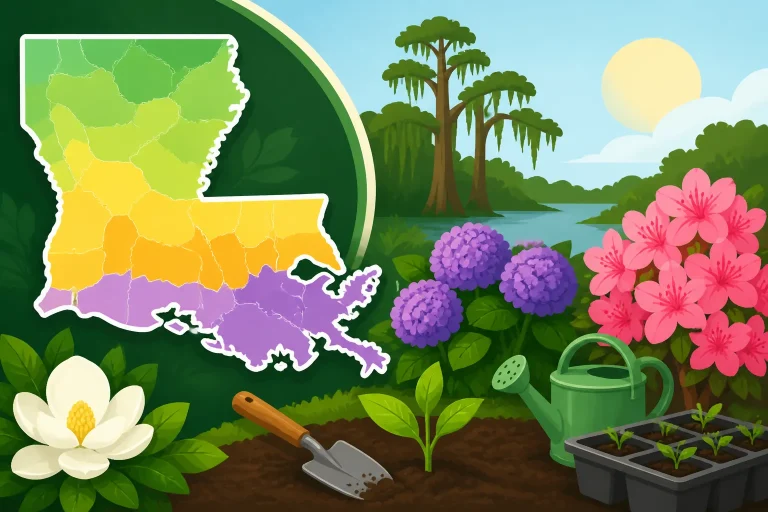
A “final spring freeze” is not a dependable appointment on the calendar. It is a way of describing the last freezing conditions in a season, and the actual timing can vary from year to year. A date based on past weather helps with planning, but it cannot promise that a cold snap will not arrive afterward. In Louisiana, where local conditions differ across the state, a broad statewide date is especially unlikely to describe every garden.
According to Louisiana State University Agricultural Center (LSU AgCenter), Louisiana gardeners can grow cool-season vegetables again from mid-January through early March. That window is useful as a starting point for planning, not as a guarantee that every crop can go outdoors on any day within it. A wet bed, a sudden cold forecast, or a garden location exposed to wind can all change what makes sense.
It also helps to distinguish a light frost from a more serious freeze. A light frost can damage tender leaves without freezing the soil. A longer or harder freeze can injure young plants more severely, especially if they have not had time to adjust to outdoor conditions. The effect depends on the crop, its stage of growth, the length and severity of the cold, wind exposure, soil moisture, and shelter around the bed. “Cool-season” does not mean “unaffected by all cold.”
Before planting, think about what you want to harvest and how much risk you are willing to accept. A bed of quick-growing greens may be easy to replant if a cold snap damages it. A crop that takes longer to mature, or a small number of purchased transplants, may deserve more protection and a more cautious planting decision.
Local weather history can help you understand the pattern where you garden, but pair it with the current forecast. First and Last Freeze Dates at Louisiana Weather Stations explains why station records are useful as planning references rather than promises. For garden timing that accounts for regional differences, Matching Your Louisiana Parish to Regional Planting Calendars can help you avoid treating conditions in one part of the state as a perfect match for another.
Which vegetables are good candidates
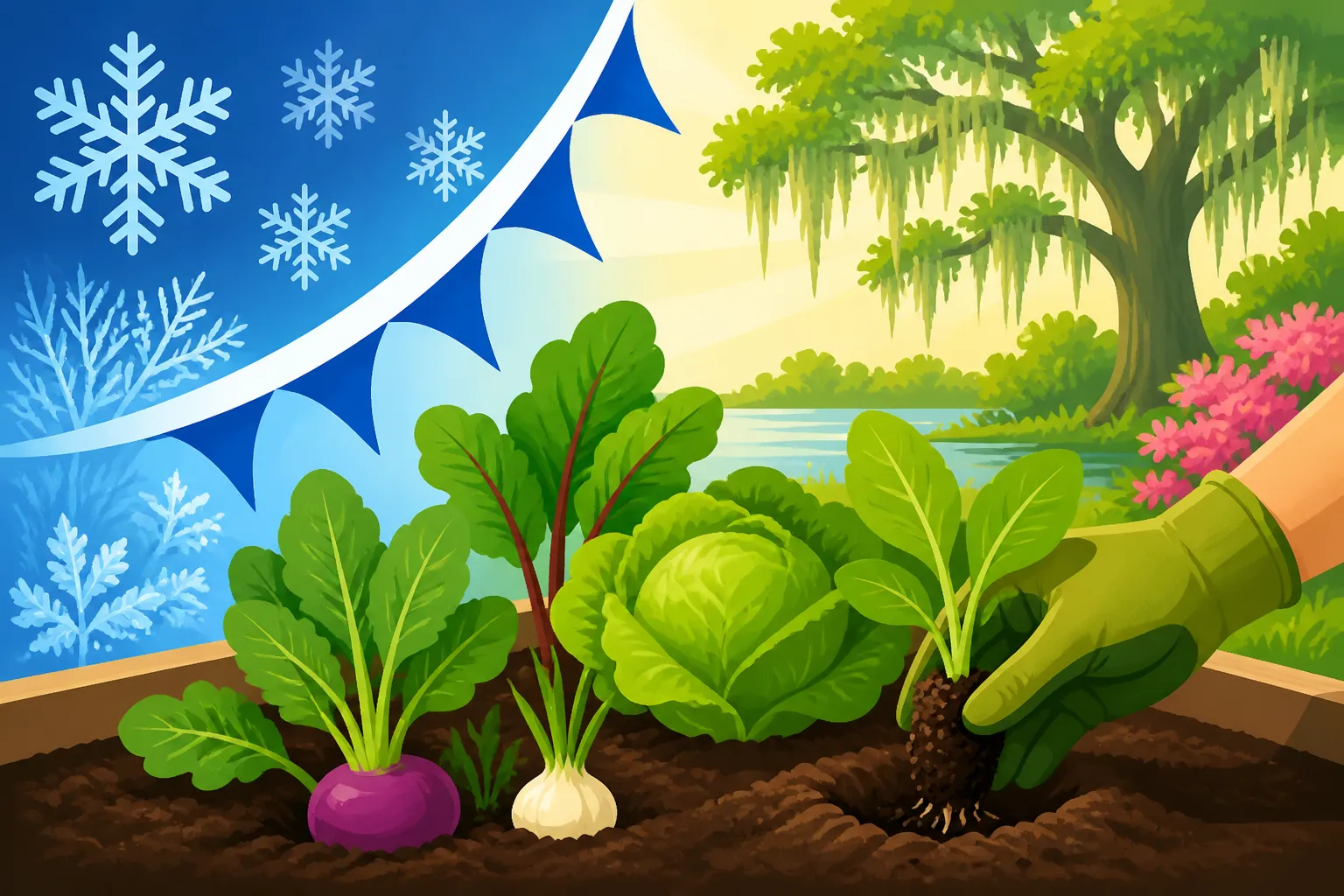
Before the last spring freeze, focus on vegetables that generally grow well in cool conditions and can tolerate some cold while they are young. Their tolerance is relative, not absolute: a strong cold event can damage even a crop that handles chilly weather better than a tender summer vegetable.
| Crop group | Why it can suit early planting | What to keep in mind |
|---|---|---|
| Leafy greens such as lettuce, spinach, mustard, kale, and collards | They grow in cool weather, and leaves can be harvested as plants develop | Very young seedlings and tender leaves may still be damaged by a hard freeze |
| Root crops such as carrots, beets, turnips, and radishes | They can be sown directly where they will grow, avoiding transplant shock | Seeds need suitable soil conditions, and saturated or crusted soil can interfere with emergence |
| Peas | They are a cool-season crop and can be started directly in the bed | Cold, wet soil can slow emergence or contribute to seed problems |
| Alliums such as onions | They can fit into a cool-season plan | Planting material and crop stage affect how well plants settle in |
| Warm-season crops such as tomatoes, peppers, eggplant, cucumbers, squash, beans, and okra | They are useful later in the garden year | They are generally poor choices for exposure to freezing conditions |
For leafy greens, the main advantage is flexibility. You can sow a short section of a bed, see how it performs, and make another sowing when conditions improve. Many leafy crops can be harvested a little at a time, so a planting does not have to produce a full, uniform row all at once. If a cold event nips a few leaves, the plants may continue growing when conditions ease, though damaged tissue will not recover.
Roots are often practical candidates because direct sowing avoids the challenge of moving fragile seedlings. Carrots, beets, turnips, and radishes are commonly grown from seed in place. Their success depends on more than cold tolerance: the seedbed should be prepared finely enough for seeds to make good contact with the soil, and the surface should not dry out while seeds are germinating. A cold spell may slow growth, so do not assume that a lack of quick emergence means the planting has failed.
Peas can also suit an early garden, but they need a well-prepared bed. In cool, damp conditions, seeds can struggle if they sit in waterlogged ground. Choose a location with drainage and avoid working soil that is too wet to crumble. If peas are a priority, consider whether the bed will be accessible for support and harvesting as the plants grow.
Onions may be part of a cool-season planting plan, but the right choice of planting material and local timing matter. The broad advice to plant a cool-season crop does not automatically answer whether to sow seed, set out seedlings, or use another planting form. For crops with more specific timing needs, use a crop-focused schedule rather than treating all vegetables as interchangeable.
Warm-season crops are the ones most likely to tempt gardeners on a pleasant afternoon and disappoint them during the next cold spell. Tomatoes, peppers, eggplant, cucumbers, squash, beans, and okra generally need warmer conditions than hardy greens and roots. They may be started under suitable protection, but outdoor planting should wait until the conditions match their needs. For tomato and pepper decisions across Louisiana, see When to Plant Spring Tomatoes and Peppers Across Louisiana. For the broader choice between seeds and starts, What Vegetables to Plant Now: Starts vs Seeds can help match the method to the crop.
Choose seeds or transplants with the weather in mind
Direct sowing and transplanting solve different problems. Seeds are convenient for crops that establish well in place, while transplants can give certain crops a head start. Neither method makes a cold-sensitive vegetable safe from a freeze. A young plant in a cell pack or pot still needs protection when it moves outdoors, and a seed that has not emerged is not immune to unfavorable soil conditions.
Direct sowing
Direct sowing is a natural fit for many roots and some leafy crops. The plant develops in the spot where it will grow, so there is no root disturbance from moving it. It also lets you plant a modest amount rather than committing an entire bed before you know how conditions will behave.
Prepare a smooth, crumbly seedbed, remove large clods, and keep the top layer from drying while the seeds are establishing. Follow the seed packet for sowing depth and spacing rather than guessing. If a cold snap is in the forecast, you can delay sowing, cover the bed where appropriate, or sow only a small area and leave the rest for a later planting.
A common frustration with early direct sowing is uneven emergence. Seeds may take longer to appear in cool soil, and soil that is too wet, compacted, or crusted can make emergence less reliable. Mark rows clearly so you do not disturb them while waiting. If seedlings emerge in patches, thin or re-sow only after checking whether the original seeds are still likely to come up.
Transplanting
Transplants can be helpful for crops that are often started in containers, especially when the growing season is moving toward warmer weather. They also give a clearer view of what is actually growing than a bed of newly sown seed. But transplant size alone does not show whether a plant is ready for outdoor conditions. A plant raised in a protected environment may be less prepared for wind, strong sun, and cool nights than a seedling that has gradually experienced outdoor conditions.
Acclimate young plants before leaving them outside for extended periods. Begin in a sheltered location and expose them gradually to outdoor light and air. Bring them back under protection if conditions turn harsh. Avoid setting out a recently watered, soft transplant just before a forecast freeze and assuming that its roots will protect it.
When transplanting, handle the root ball gently, set the plant at the depth appropriate for that crop, and water the soil around it so the roots make contact with the bed. Avoid leaving a transplant dry in a windy spot while you finish other work. If plants are tall, weak, or crowded in their containers, they may need careful handling and recovery time after planting.
Match the method to the crop
For a mixed garden, do not force every crop into one planting method. Direct-sow crops that are well suited to it, use transplants where they offer a practical advantage, and keep tender crops protected until conditions are more favorable. Direct Sowing vs Buying Transplants for Louisiana Gardens offers a deeper comparison of those choices, while Louisiana Spring Vegetable Planting: Sowing and Transplant Timing can help organize the broader spring schedule.
Decide when to plant using more than a calendar
A good planting decision combines the crop’s needs, the forecast, the condition of the soil, and the garden’s exposure. A calendar or regional planting window helps narrow the choices; it cannot tell you whether your particular bed is ready today.
Start with the forecast for your area. Pay attention to overnight conditions, not just a warm afternoon. If freezing weather is predicted, consider whether the crop can tolerate it, whether the plants have been established outdoors, and whether you can cover them safely. A forecast is not a guarantee either, but it is more useful for immediate decisions than an average date by itself.
Then assess the bed. If the soil is saturated, cold, or compacted, wait until it is workable. Soil that forms a sticky mass when handled is not ready for cultivation. Working wet ground can damage its structure, leaving clods or compacted areas that are harder for seedlings to penetrate. If the soil is merely damp and breaks apart readily, preparing a small section may be reasonable.
Consider the location’s microclimate. A sunny bed against a sheltered wall may warm differently from an open, windy plot. Low areas can collect cold air, while a raised or sloped location may drain and dry more quickly. Trees, fences, buildings, and nearby pavement can affect sun, shade, wind, and heat. These differences do not erase freeze risk, but they explain why one bed may be ready before another in the same yard.
Use a planting decision that leaves room for adjustment:
- If a crop is cold-tolerant, the bed is workable, and the forecast looks suitable, plant a manageable area.
- If a crop is vulnerable, or the forecast suggests a cold event, keep it protected or postpone outdoor planting.
- If soil is wet or difficult to work, wait for better conditions instead of compacting it.
- If you are uncertain, trial a small sowing or transplant group and keep a later planting option available.
This approach is more reliable than trying to predict the exact final freeze. It also makes the garden less dependent on a single planting day. To compare local weather patterns and understand how much those dates can vary, Using Freeze Odds to Choose Planting Dates Across Louisiana Stations offers additional context. If a cold snap arrives after planting, Should You Delay Spring Vegetable Planting After Cold Snaps? can help you think through whether to pause, protect, or continue.
Prepare the bed for cool-weather planting
A healthy, well-drained bed gives early crops a better start than a bed that is rushed into use. Preparation does not need to be elaborate, but it should suit the soil and the crop.
Begin by clearing spent plants, weeds, and debris that could get in the way of sowing or transplanting. Remove only what needs to come out; avoid digging or turning soil when it is wet enough to smear or compact. If the bed is already in use, make room for the new crop without disturbing roots that should remain.
Check drainage before planting. After rain, note where water stands and how long the bed remains soggy. Cool-season seeds and young roots still need air in the soil. If a section stays saturated, choose a better-drained spot, improve the bed structure over time, or use a raised planting area that drains more effectively. Do not assume that a sunny location is automatically a good planting site if water collects there.
Add organic matter only in a way that fits the bed and soil conditions. Compost can help improve soil structure, but it is not a substitute for drainage planning or a reason to work very wet ground. If you do not know what the soil needs, avoid adding large quantities of amendments by guesswork. Louisiana Soil Preparation and Fertility for Garden Crops provides more background on preparing garden soil, and Guide to Soil Health and Garden Pest Management in Louisiana can help with broader bed planning.
Plan the bed before sowing. Put taller crops where they will not shade smaller ones, leave accessible paths, and allow room for harvesting. Keep crops with similar needs together when that makes watering and care easier. If you are sowing several types of greens or roots, label the rows and make a simple note of what went where. That small step helps prevent accidental weeding and makes it easier to compare how crops perform in different parts of the garden.
Use spacing guidance from the seed packet or plant label. Crowding can reduce airflow and make it harder to harvest, while plants spaced too far apart may leave more bare soil for weeds. Thin seedlings as directed once they are established, rather than waiting until crowded roots have become difficult to separate. For practical details on bed preparation and crop arrangement, Sowing Depth and Spacing for Louisiana Garden Vegetables is a useful companion.
Protect young plants and respond to a cold snap
Protection can reduce exposure, but it should not be treated as a promise that plants will be unharmed. A cover can help moderate conditions around a bed, particularly when it is installed securely and removed or adjusted when the weather changes. A flimsy cover that blows away, rests heavily on foliage, or traps too much warmth later can create new problems.
Before cold weather, check that any cover is in place and secured so wind cannot lift it. Use supports when needed to keep material from pressing directly onto delicate plants. Close gaps that allow cold air to move freely beneath it, while remembering that protection has limits. Follow the product instructions for any garden covering, and avoid relying on improvised heat sources near plants.
Watering is not a universal freeze remedy. Soil moisture can affect how plants experience cold, but saturated ground can also harm roots and make a bed difficult to manage. Water according to actual soil conditions and the needs of the crop; do not soak a bed simply because a freeze is expected. Likewise, avoid applying fertilizers as a quick fix for cold stress. Fertilizer cannot make a tender plant cold-hardy.
After a cold event, give plants time before deciding what to remove. Leaves may look limp or discolored, but the growing point or roots may still be alive. Wait until the damage is clearer, then remove tissue that is dead or decaying without cutting into living growth. If the entire seedling has collapsed or the growing point is damaged, re-sowing may be more practical than trying to nurse it along.
Keep a record of what happened. Note which crops were covered, which locations stayed exposed, and how plants responded. That information can improve next season’s decisions more than a statewide average alone. If a crop was damaged, consider whether the issue was the crop’s cold tolerance, its stage of growth, the length of exposure, or the garden’s location. A later planting can often fill the gap.
Protection is most useful when paired with sensible crop selection. Rather than covering a bed full of tender vegetables and hoping for the best, reserve early planting for crops that are better suited to cool conditions. Save the most vulnerable crops for a more favorable spell, and use covers as backup for plants that are already a reasonable choice.
Plan a sequence, not a single planting day
A spring vegetable garden does not need to be planted all at once. Staggered sowing spreads the risk and can extend the harvest. If one sowing is delayed by cold or damaged by weather, a later one may still succeed. The method is especially helpful for crops that mature quickly or are harvested over time, such as leafy greens and some roots.
Begin with a small planting of cool-season crops in the most suitable bed. Once seedlings are established, assess the weather and soil again before sowing more. This avoids putting every seed into a bed that may turn out to be too wet, cold, or exposed. For crops you use often, a series of modest sowings can provide a more manageable supply than one oversized planting.
Think about what will happen as temperatures rise. Cool-season crops may slow down, become less productive, or develop a different flavor or texture as conditions warm. Make space for the next crop by harvesting mature plants and clearing declining ones. Do not wait until every plant has finished before planning the transition. A garden bed can move from cool-season vegetables toward warm-season crops in stages.
For a planned succession, consider:
- Which vegetables your household is likely to eat regularly.
- How much space each crop needs at maturity.
- Whether the bed will be ready for a following crop when the first planting is harvested.
- Whether the next crop prefers cooler or warmer conditions.
- How much time and attention you can give to watering, weeding, and covering.
When cool-season plants begin to fade, remove them promptly if they are diseased or no longer productive. Healthy plant material may be managed differently depending on the garden’s pest and disease history. Do not leave a crowded, declining planting in place if it blocks airflow or prevents you from preparing the bed for the next crop.
A succession plan can also include a backup crop. If an early planting fails to establish, choose another crop that still fits the conditions rather than repeating the same planting automatically. If warmth is arriving, a warm-season crop may be the better follow-up, provided the risk of freezing has eased enough for that crop. Year-Round Planting and Succession in Louisiana Veggie Beds covers the broader idea of using beds through changing seasons, while Planning Summer Transitions Between Spring and Autumn Harvests can help with the shift beyond the early spring garden.
Frequently Asked Questions
Can I plant vegetables outdoors before the last spring freeze?
Yes, if you choose crops suited to cool conditions and the soil and forecast are appropriate. A calendar window does not guarantee that a particular day is safe for every crop or garden location.
Which vegetables are the safest choices for an early planting?
Cool-season greens, roots, and peas are generally better candidates than tender warm-season crops. Their ability to withstand cold varies, so check crop-specific guidance and be prepared to protect young plants.
Should I plant tomatoes or peppers before a freeze?
Tomatoes and peppers are warm-season crops and are vulnerable to freezing conditions. Keep them protected until outdoor conditions are suitable for them; consult When to Plant Spring Tomatoes and Peppers Across Louisiana for crop-specific timing.
What should I do if frost is forecast after planting?
Check the forecast and the condition of the plants, then decide whether temporary protection is appropriate. After the cold passes, wait until damage is clear before removing plants, since some may recover.
Sources
- Louisiana State University Agricultural Center (LSU AgCenter) — Lawn & Garden (checked November 15, 2026)
Disclaimer
This article is for general informational purposes only and does not constitute professional advice. Laws, prices and regulations vary by location and change over time. Consult a qualified professional for guidance on your specific situation. Louisiana Gardening Guide is not a government agency and is not affiliated with any university extension, state department of agriculture or other government agency.